bg_image

Cocoa finds its home in the sun-kissed lands of Uganda, mainly in the central region, western and southeastern and southwestern regions, and some parts of the eastern region mainly in Busoga region which shine as prime locations for cocoa cultivation. The favourable climate, with moderate temperatures and ample rainfall, provides the ideal conditions for cocoa trees to thrive. With roots deeply entrenched in Uganda’s fertile lands, there is also favourable climatic conditions that allow the cocoa to thrive. It is grown in warm, humid climates and requires well-drained soils, perfect conditions found in Uganda.

Growing cocoa is no simple task, which is why we are working with cocoa farmers to help improve their farms. 90% of the world’s cocoa beans are harvested on small, family-run farms with less than two hectares of land and an average yield of just 600-800 kg per year

Products for Export

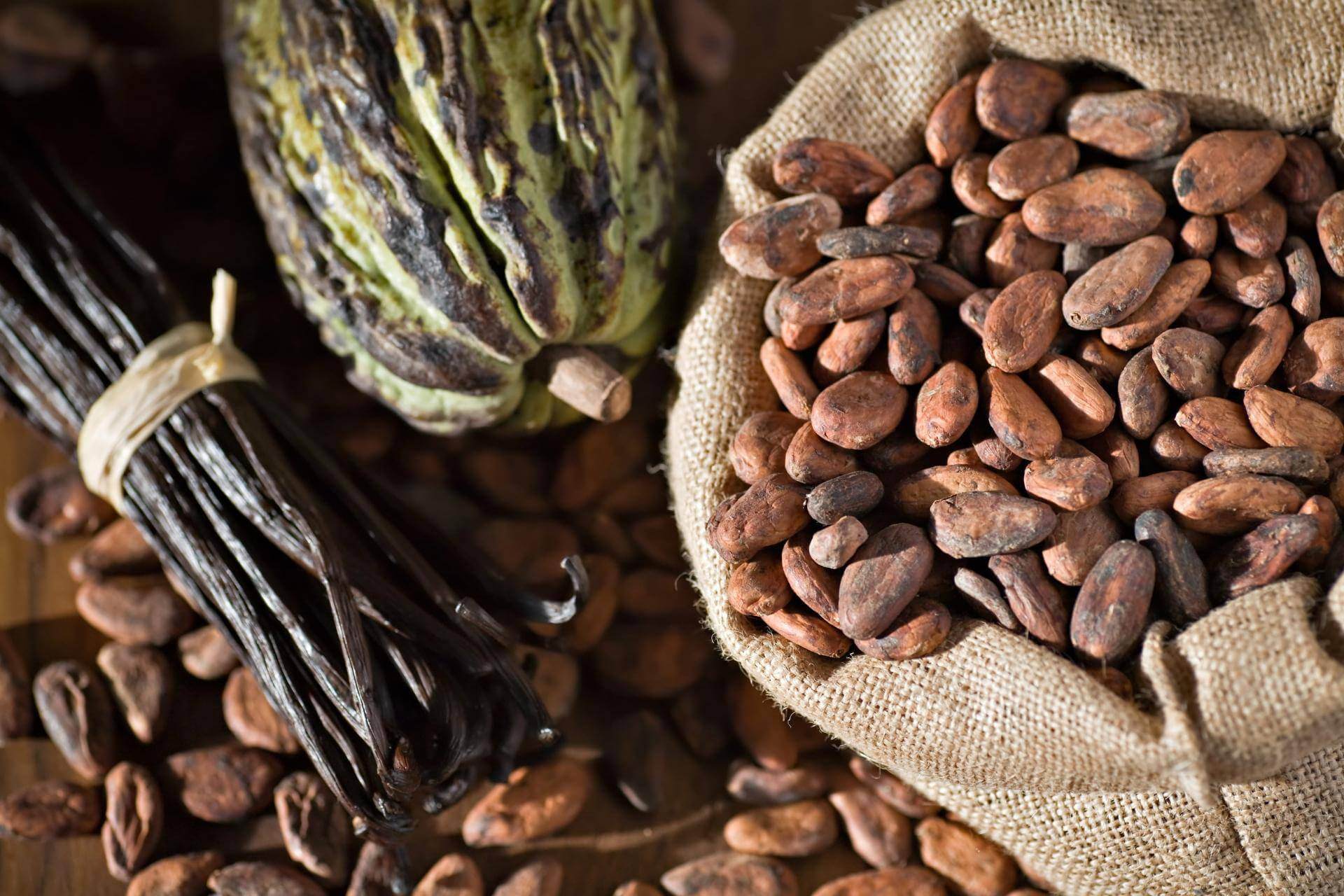
Cocoa Beans

Growing cocoa is no simple task, which is why we are working with cocoa farmers to help improve their farms. 90% of the world’s cocoa beans are harvested on small, family-run farms with less than two hectares of land and an average yield of just 600-800 kg per year. And most of this cocoa comes from West Africa.

img

Cocoa Growing Conditions

  • Temperature: Cocoa trees prefer warm, humid climates with an average temperature of 25-27°C. They can tolerate short periods of cooler temperatures, but they will not thrive in cold climates.
  • Humidity: Cocoa trees need high humidity levels of 70-80%. They will not do well in dry climates.
  • Rainfall: Cocoa trees need an annual rainfall of 150-200 cm. They can tolerate some drought, but they will not produce well if the soil dries out completely.
  • Soil: Cocoa trees prefer well-drained, loamy soils that are rich in organic matter. They will not do well in heavy clay soils or soils that are prone to waterlogging.
  • Sunlight: Cocoa trees need full sun to thrive. They will not do well in shaded areas.
Place Order Online
img

Sustainability

The aim for Drogo Commodities in becoming the best exporters of cocoa beans from Uganda is to help smallholder cocoa farmers get fair price out of their products by firmly opening up a way for them to reach the global market. To achieve this, quality and sustainability are key factors: our approach is to engage smallholder farmers’ cooperatives, support them with most important farm inputs and closely monitor their operations to ensure that responsibility, ethical standards and quality checks and balances are solidly upheld.

Place Order Online
img

Traceability

We commit to fair trade throughout our engagements with the farmers and also adhere to sustainable and responsible sourcing practices. Our goal is to establish and expand long-term contracting facility with cocoa farmers as a way of value addition and mitigation of their risk exposure.

Place Order Online

Sustainability in Every Bean

Our company strategy is centered on sustainability. Our commitment lies on preserving the environment and enhancing the financial and societal welfare of cocoa growers. We work tirelessly to improve and sustainably develop our processes. We go above and beyond and are actively working towards attaining full traceability for all of our cocoa for customers with special traceability demands.

Submit your order instantly.

From the farm to the final export, we maintain transparency in our processes, giving our customers confidence in the quality and origin of our agricultural produce.

The Journey of Cocoa: From Planting to Harvesting

Soil preparation is the first step in effective cocoa production, just as a strong structure needs a strong foundation. Cocoa trees are picky plants that need rich, well-drained soil in order to thrive. From planting to harvesting, cocoa takes two to three years. On the other hand, a cocoa tree may not begin bearing fruit for up to five years.

Cocoa trees are planted in a nursery bed and then transplanted to the field when they are about 6 months old.
Cocoa trees start to flower when they are about 3-4 years old. The flowers are small and white, and they bloom in clusters.
Cocoa trees are pollinated by insects. The flowers only last for a day, so pollination must happen quickly.
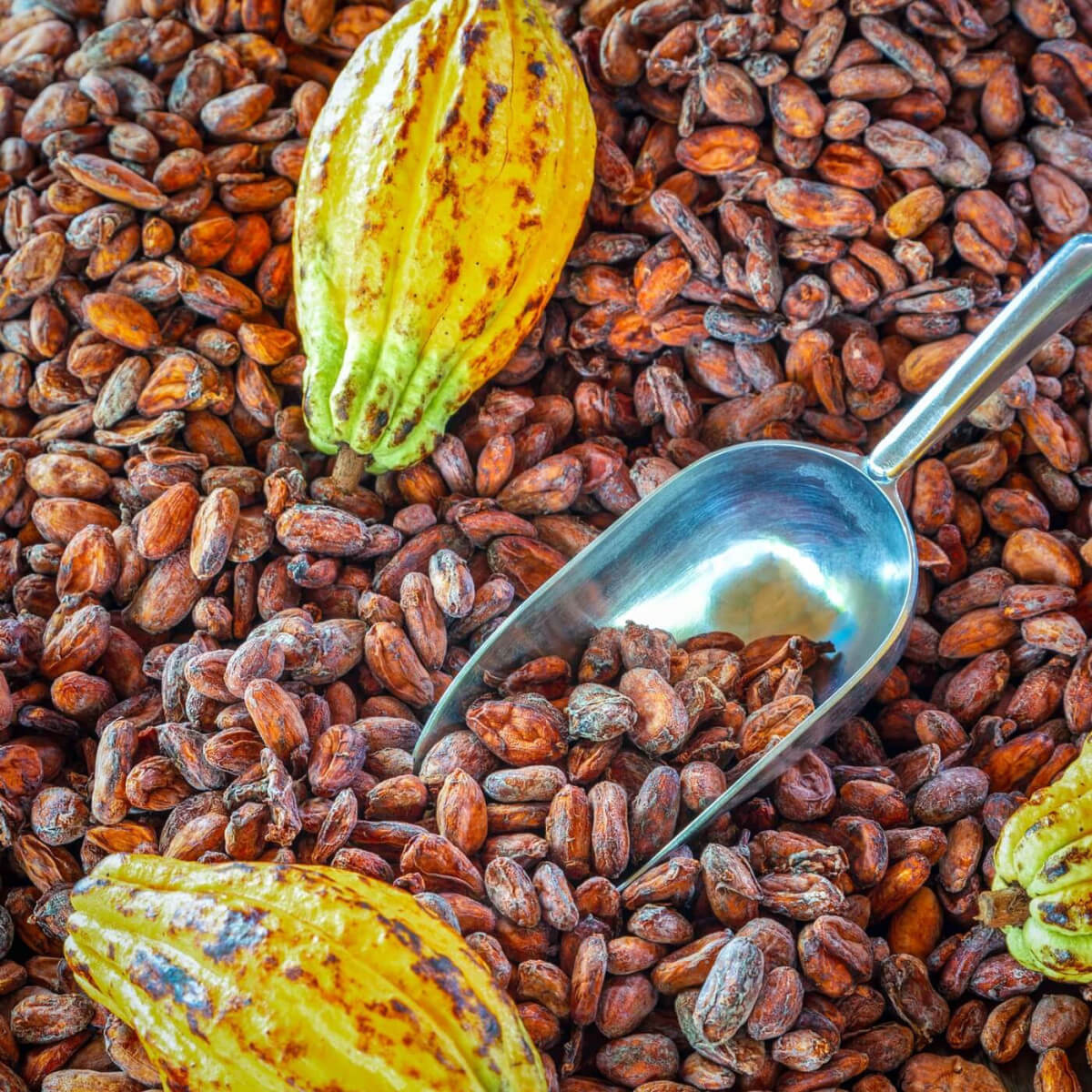
Cocoa pods start to form about 5-6 months after pollination. The pods are green at first, but they turn yellow or orange when they are ripe.
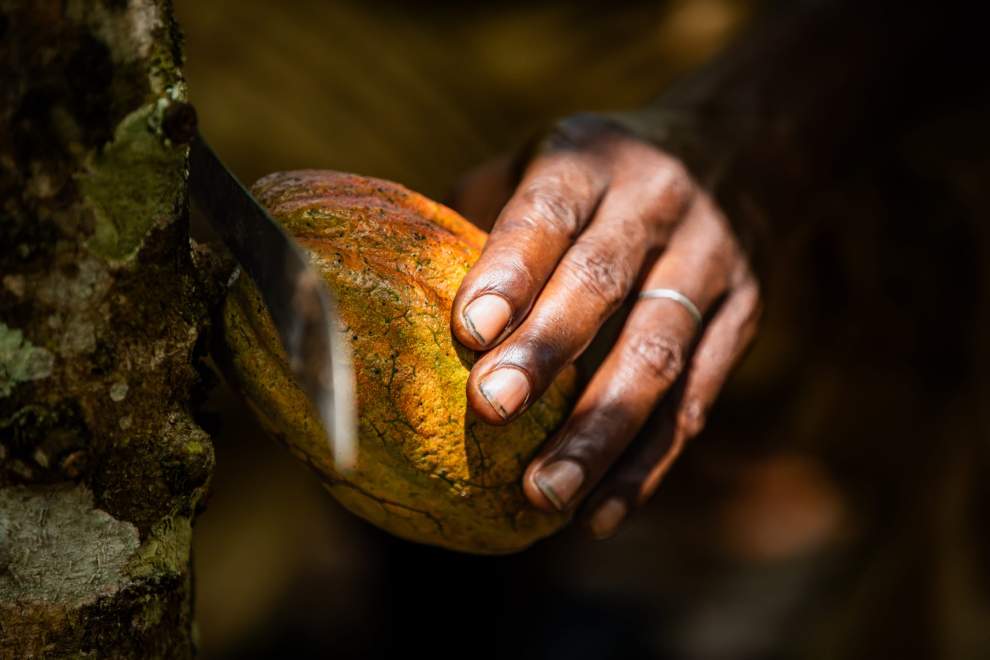
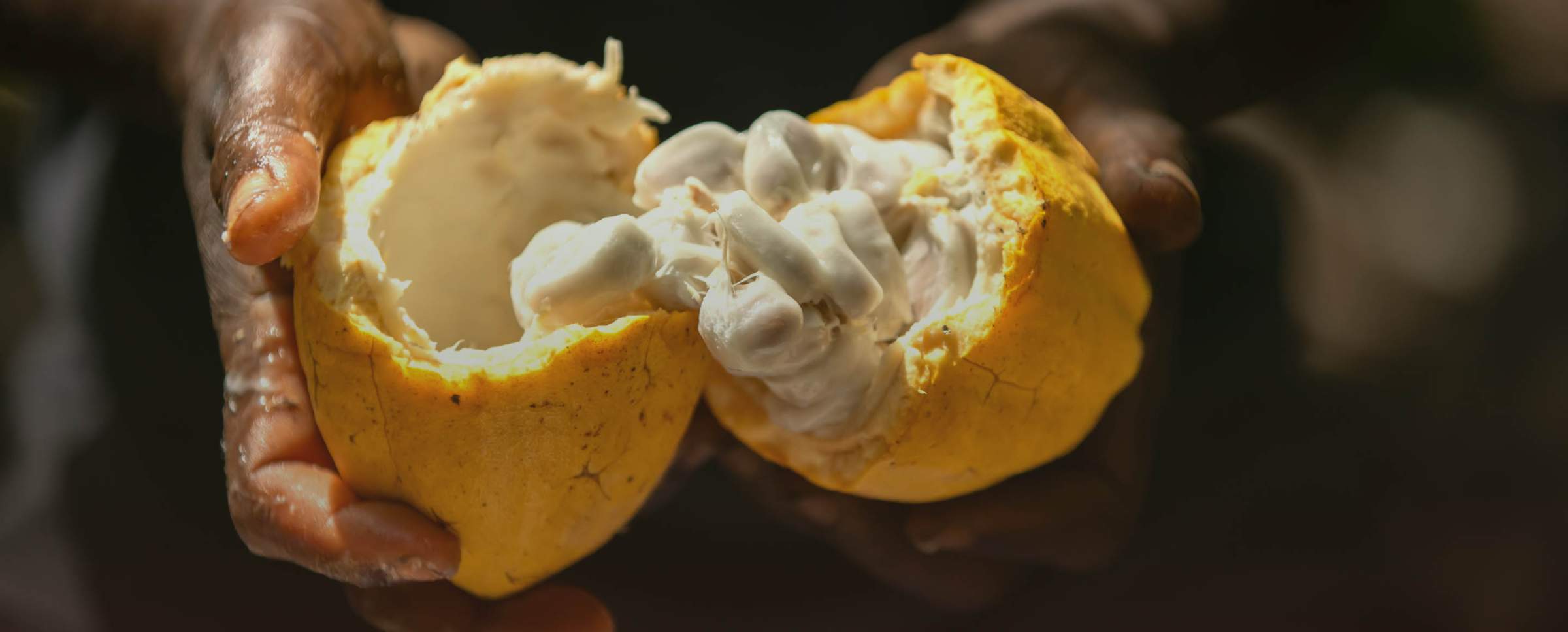
Cocoa pods are harvested when they are ripe. The pods are cut from the tree with a machete, and they are then opened to remove the beans.
The beans are fermented for about 5-7 days. This process helps to develop the flavour of the beans.
The beans are dried in the sun for about 5-7 days. This process helps to remove the moisture from the beans and to preserve them.
The beans are then processed to remove the husks and grind them into cocoa powder or chocolate.

Submit your order instantly.

From the farm to the final export, we maintain transparency in our processes, giving our customers confidence in the quality and origin of our agricultural produce.

What’s App Us

Click to send

Call Us

Click to Call

Order Form

Click to fill in form