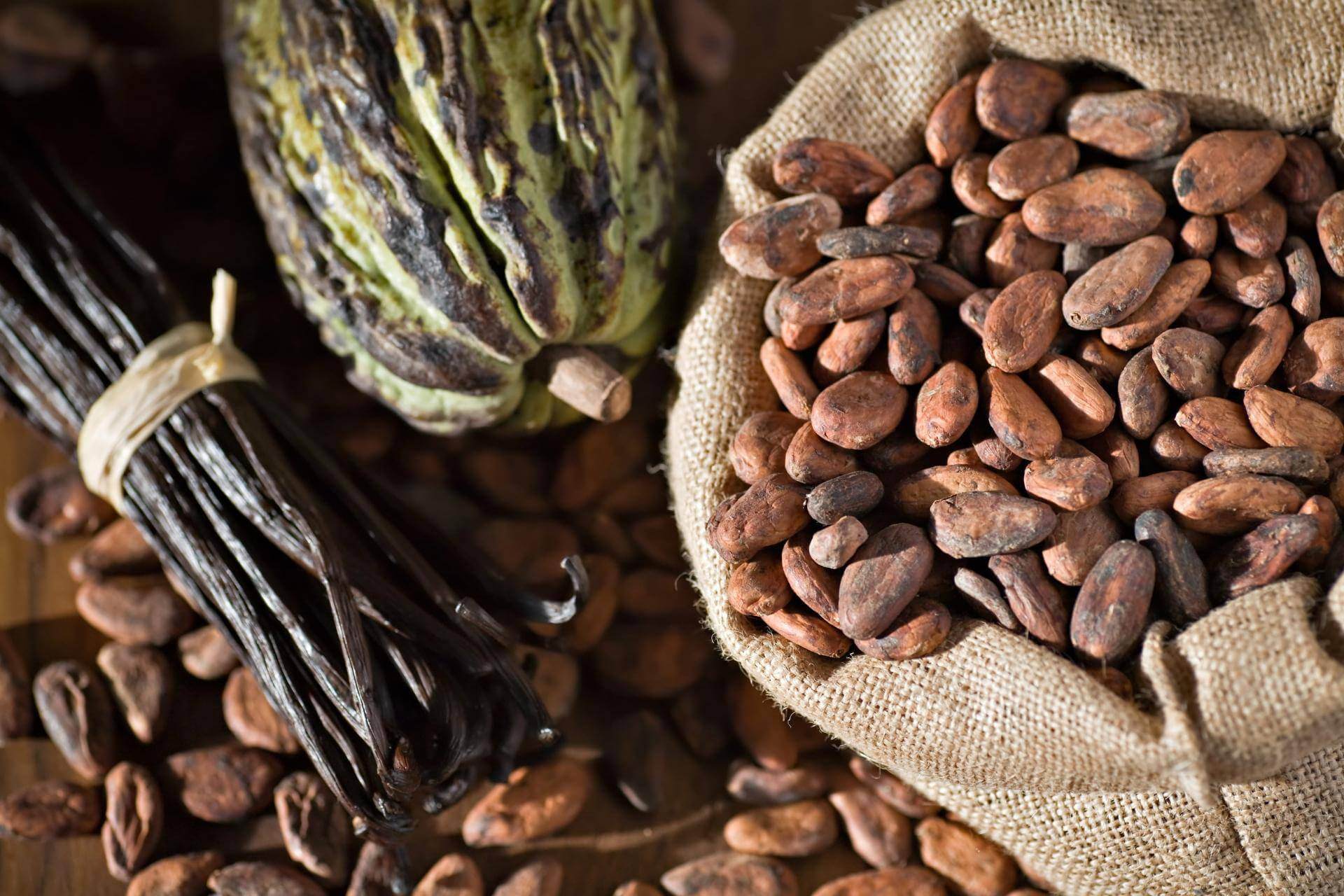
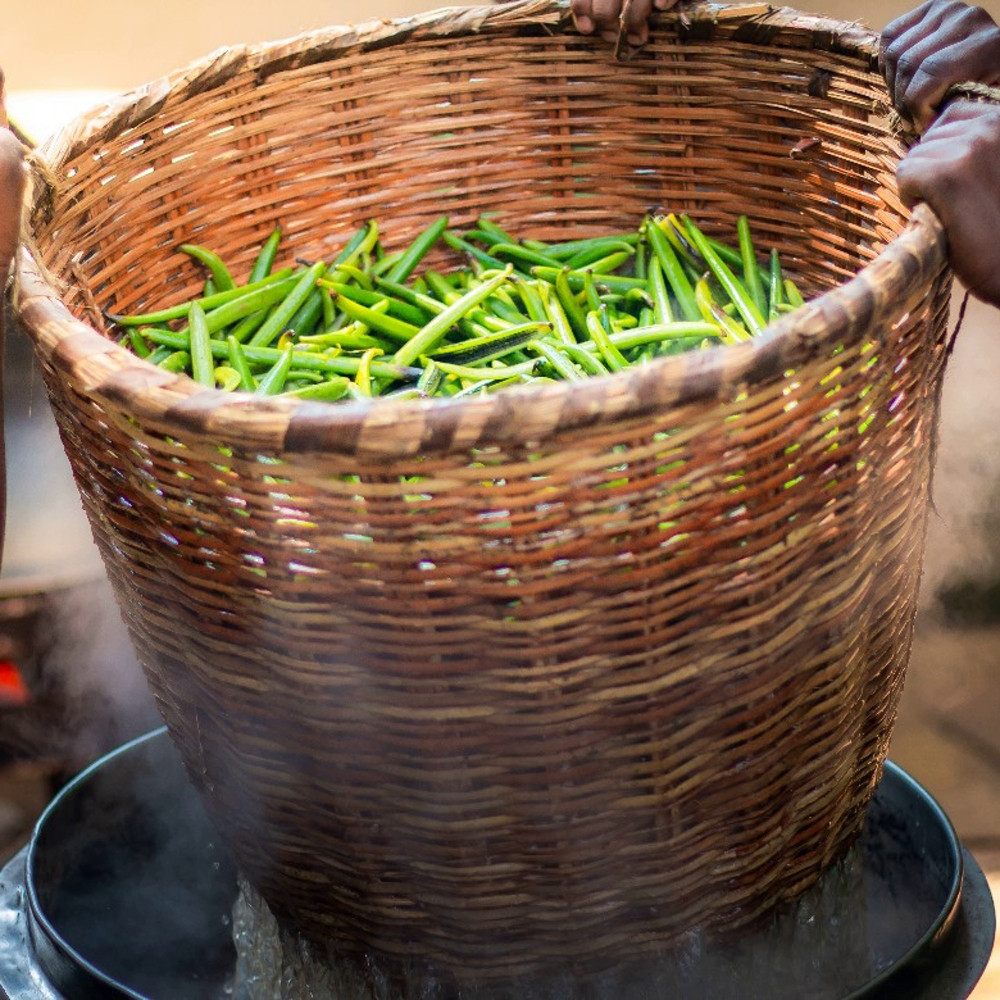
Drogo Commodities Ltd supplies vanilla beans of all grades and these include Split, Super, Extraction and Fresh vanilla beans, which are sourced from the Pearl of Africa Uganda direct from our closely monitored co-operative partnerships with local farmers, the characteristic of the Uganda vanilla has fruity and floral profile and impressive size.
We source our beans from the fertile hills of Kigezi region in western Uganda. Within: Bundibugyo District, Kasese District and Fort Portal District.
These Vanilla Beans have a unique taste character resulting from the country's excellent climate condition. The tropical climate and fertile soils provide the ideal conditions for cultivating bulk vanilla beans of the finest quality.
Don't Underestimate Ugandan Vanilla Beans! A Flavorful Choice Ugandan vanilla beans often fly under the radar, but they are a remarkable ingredient that deserves recognition. While some may compare them to Madagascar vanilla beans, it’s essential to focus on what makes Ugandan vanilla unique. Ugandan bulk vanilla beans are known for their exceptional quality, distinct aroma, and intense flavor profile. The country's unique climate and soil conditions create an ideal environment for vanilla cultivation, resulting into plump, moist, and bursting vanilla beans with natural goodness. Each vanilla pod is a testament to the meticulous care and dedication of the farmers who nurture these delicate orchids.
-
- Distinct Flavor Profile.
- Sustainable Farming Practices.
- Cultural Heritage.
- Culinary Versatility.
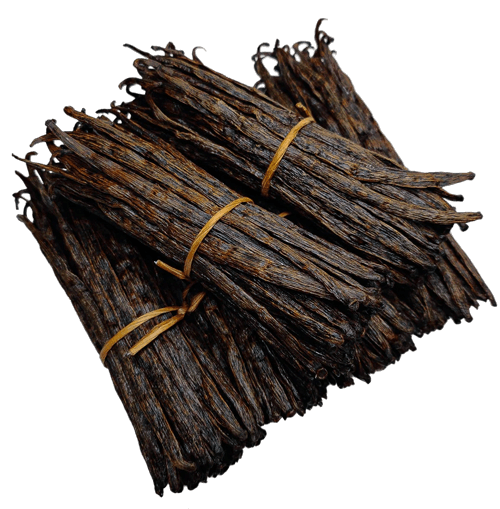
Vanilla Specification
| Sr.no | Type of Vanilla | Specification | Vanillin Content |
| 1 | Gourmet beans (16 -21 cm) | Moisture 30 – 35% | 1.8 & above |
| 2 | Gourmet beans (Below 16 cm) | Moisture 30 – 35% | 1.8 & above |
| 3 | TK beans | Moisture 25- 28% | 1.8 & above |
| 4 | Extraction beans | Moisture 20 – 24% | 1.8 & above |
| 5 | Split beans | Moisture 20 – 24% | 1.8 & above |
| 6 | Cuts beans | Moisture below 20% | 1.8 & above |
- Grade A: Gourmet Beans (16 – 21 cm beans & 13 – 15 cm beans)
- Grade B: Extract Beans (16 – 21 cm beans & 13 – 15 cm beans)
What makes Ugandan Vanilla Beans stand out?
Ugandan vanilla beans often fly under the radar, but they are a remarkable ingredient that deserves recognition. While some may compare them to Madagascar vanilla beans, it’s essential to focus on what makes Ugandan vanilla unique.
Ugandan vanilla beans are known for their rich, bold flavor, characterized by creamy sweetness and subtle notes of chocolate and spice. This complexity makes them ideal for both sweet and savory dishes. In contrast, Madagascar vanilla tends to have a classic, sweet profile that is widely popular in desserts.
Sourced from smallholder farmers in Uganda, these beans are cultivated using traditional and sustainable farming methods. By choosing Ugandan vanilla, you support local economies and promote environmentally friendly agricultural practices.
The cultivation of Ugandan vanilla is steeped in cultural significance, with farmers employing techniques passed down through generations. This deep-rooted heritage adds a rich narrative to every bean.
Whether you’re baking desserts or enhancing savory recipes, Ugandan vanilla beans bring exceptional flavor and aroma. They offer endless possibilities in the kitchen, making them a versatile addition to your culinary repertoire.
While Madagascar vanilla beans are well-known for their quality, Ugandan vanilla beans offer a unique flavor experience and sustainability that should not be overlooked. Embrace the depth and richness of Ugandan vanilla in your cooking!
Source Of Vanilla
Uganda is the direct source of our vanilla beans, where we source our beans from the fertile hills of Kigezi region in western Uganda. Within: Bundibugyo District, Kasese District and Fort Portal District. These Vanilla Beans have a unique taste character resulting from the country's excellent climate condition. The tropical climate and fertile soils provide the ideal conditions for cultivating bulk vanilla beans of the finest quality.
Submit your order instantly.
From the farm to the final export, we maintain transparency in our processes, giving our customers confidence in the quality and origin of our agricultural produce.
Production Process
From the time an order is received until it is prepared for delivery to the client or customer, the processing of vanilla beans takes three months. Farmers harvest vanilla under the guidance of their Peer Farmer Supervisors, who direct the initial sorting process and ensure that the farmer eliminates lacking or too short beans. After that, the vanilla gets transported in sacks to the buying centers, where we purchases it. At each center a clean dry sorting area is provided and covered with a tarpaulin.
Cooking is done in clean drums designated for natural vanilla.
Sweating is done in blankets designated for natural vanilla. After a period of sun-drying on reed racks, the vanilla is stored in wooden boxes for further slow curing and aroma development. The natural vanilla remains in these boxes until it is ready for export.
Finally natural beans are graded by length and quality at different times to avoid any contamination and stored in separate clearly marked boxes in different areas of the processing facility until export.
| Length of Beans | Grade of Beans |
| 15 cm and above | I |
| 10-15 cm | II |
| 10 cm | III |
| Splits, cuts and damaged beans | IV |
Graded beans are immersed in hot water at a temperature of 70oC for periods as indicated below:
| Period of Immersion | Grade of Beans |
| 5 minutes | I |
| 4 minutes | II |
| 2 minutes | III |
| 1.5 minutes | IV |
Sweating
The treated beans are then transferred immediately to a wooden box lined with
blanket, for sweating and kept for 36-48 hours. The temperature initially is to be
48-50oC. By then, the beans will attain light brown colour and start imparting
aroma.
Sun Drying
Later on, the beans are spread in hot sun (from 12 noon to 3 pm) over wooden
loft on a clean black blanket. The temperature of the bean, at this time should
raise to 50oC. Later on, the bundles are transferred to the sweating box. Sun
drying and sweating is continued grade-wise, as follows:
| Period | Grade |
| 12-14 days | I |
| 7-10 days | II |
| 5-7 days | III & IV |
At the end of this period, the beans lose half of initial weight, turn to a shining
dark brown colour and develop wrinkles. Also, their aroma improves.
The next step involves the spreading of the beans in racks kept in well-ventilated
room maintained around a temperature of 35oC and relative humidity of 70 per
cent. The duration of slow drying is as follows:
| Period of Immersion | Grade of Beans |
| 20-35 days | I |
| 10-20 days | II |
| 3-10 days | III |
| 2-8 days | IV |
On completion of slow drying, the vanilla beans get heavy longitudinal wrinkles,
turn lustrous with brownish black colour and become supple. They offer a soft
leathery touch; can be rolled around finger easily and on release, becoming
straight. The moisture content at this stage may be around 30-35 per cent.
The next step involves the spreading of the beans in racks kept in well-ventilated
room maintained around a temperature of 35oC and relative humidity of 70 per
cent. The duration of slow drying is as follows:
| Period of Immersion | Grade of Beans |
| 20-35 days | I |
| 10-20 days | II |
| 3-10 days | III |
| 2-8 days | IV |
On completion of slow drying, the vanilla beans get heavy longitudinal wrinkles,
turn lustrous with brownish black colour and become supple. They offer a soft
leathery touch; can be rolled around finger easily and on release, becoming
straight. The moisture content at this stage may be around 30-35 per cent.